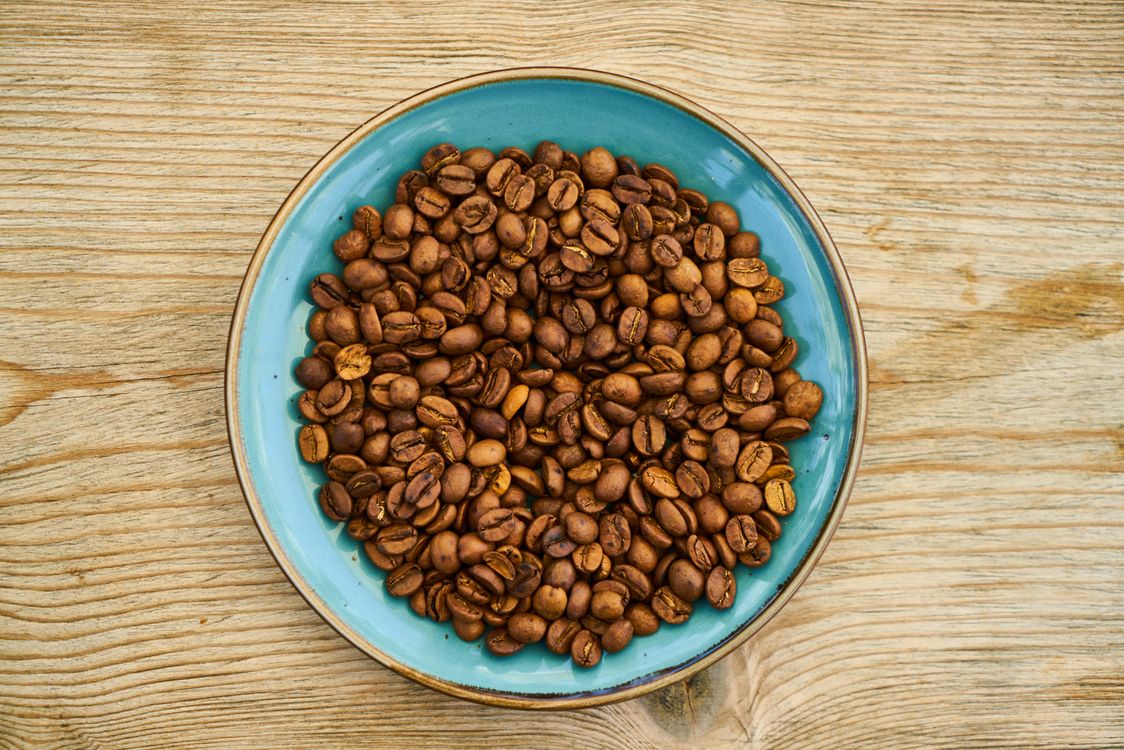
If you only read headlines, September 2026 looks like good news for coffee drinkers. Prices fell. The world grew more coffee than it may drink. Brazil harvested a record crop. And yet, if you walk into a café this week, your cup probably costs the same as it did last month. That is not a conspiracy, and it is not a mistake. It is how coffee prices actually travel from a farm, through a warehouse, through a roaster, and into a cup — slowly, unevenly, and with a long lag.
Understanding that lag is useful, especially if you brew at home. It tells you when a price fall is likely to reach you, when it is not, and what to watch instead of the headline number.
/ 01What actually fell in September
The clearest picture comes from the International Coffee Organization's September 2026 report, as reported by BusinessToday on 12 October 2026. All four ICO group indicators fell in September. Colombian Milds fell 8.1 percent from August to an average of 356.15 US cents per pound. Other Milds fell 8.8 percent to 329.44 cents. Brazilian Naturals fell 9.9 percent to 290.19 cents. Robusta fell 7.3 percent to 167.49 cents per pound. The price gap between Colombian Milds and Other Milds widened slightly, and the arbitrage between the London and New York futures markets narrowed by 13.2 percent to 126.40 cents per pound.
Those are wholesale indicator prices, not café menu prices. They are averages for a month, for green coffee traded in bulk, not for a finished drink. Still, the direction is real, and the reason is mostly supply. Brazil's harvest was nearly complete by late August — consultancy Safras & Mercado reported 97 percent complete as of 26 August — and Brazil's National Supply Company, CONAB, raised its estimate for the country's 2026 crop to a record 67.6 million bags on 24 September. Rain during the harvest affected bean quality, the ICO noted, creating uneven availability across grades, but the overall volume was large. Global green coffee exports rose 15.6 percent year-on-year in August to 10.94 million bags, with robusta shipments up 22.4 percent and Brazilian Naturals up 21.3 percent.
In other words, more coffee arrived, and the market priced that in. That is the simple part. The complicated part is why prices had stayed high before September, even though analysts already expected a large surplus for 2026-27.
/ 02Why prices stayed high when supply looked ample
Coffee was one of the most volatile commodities of 2026. According to Spherical Insights, arabica futures fell to a low near $2.39 per pound in early June, then jumped to about $3.56 by early July in the sharpest weekly rally since 2000, as rain delayed Brazil's harvest and exchange stocks drained. Prices have since drifted lower and were near $2.89 per pound on 2 October.
The puzzle, as that analysis puts it, is that prices stayed high even though analysts expected a substantial surplus in 2026-27. The main reason was the low level of ICE arabica stocks, which had fallen under 220,000 bags, compared with a range of 1 million to 5 million bags from the mid-2000s until early 2022. About 70 percent of those stocks were held in Antwerp, Belgium. When certified stocks are that low, the market worries less about next year's crop and more about whether there is enough coffee available right now, in the right place, in the right grade, to meet immediate demand.
That worry is now shifting, because Brazil exported a record 4.155 million bags in August, up 31 percent year-on-year, and dealers say traders plan to deliver significant volumes of arabica to exchange warehouses. Because the exchange acts as a buyer of last resort for excess coffee, those deliveries can trigger bets on lower prices. In plain language: more coffee heading to warehouses makes traders less afraid of a shortage, and less fear means lower futures prices.
But futures prices are not the price of your cup. They are the price of a contract for green coffee, traded by people who may never roast a bean. Between that contract and your cup sit shipping, milling, roasting, packaging, rent, wages, and the café's own costs. Each step has its own timing, and each step can absorb a price fall — or a price rise — for weeks or months.
/ 03The other harvest to watch: Vietnam and robusta
Arabica gets most of the attention, but robusta matters too, especially for espresso blends, instant coffee, and the cheaper end of the market. Vietnam is the world's leading robusta grower, and its new harvest typically runs from October into January. That makes October a watching month, not a concluding month.
The US Department of Agriculture's Foreign Agricultural Service forecasts 2026-27 Vietnamese output of 32.5 million 60-kilogram bags, up 2.5 percent, of which 31.4 million bags are robusta, with exports forecast at 28.95 million bags. It attributes the growth to high prices in 2024 and 2025 encouraging more planting, and flags that about 30 percent of Vietnam's coffee area is 20 years old or more and needs replanting. Those figures are a June forecast, not a measured harvest, and that distinction matters. A forecast is a best estimate before the harvest. Rain, drying bottlenecks, and farmer selling decisions can still change the outcome.
One early warning sign was already reported: heavy rain and flooding in Vietnam's Central Highlands on 13 September, raising the risk of waterlogging and damage before the harvest. Low on-farm carryover and cautious farmers limiting sales were also described. London robusta for November was quoted at US$3,475 per tonne in the Kalkine report, near US$3,554 on 11 September and about US$3,525 on 12 September, suggesting robusta had eased modestly since mid-September, but not collapsed.
For a home brewer, the practical point is not to bet on robusta getting dramatically cheaper. It is to understand that robusta and arabica do not move together, and that a fall in arabica indicators does not automatically mean a fall in the robusta-heavy blend you buy for espresso. If your usual blend gets more expensive while arabica indicators fall, that is not necessarily a shop overcharging you. It may be a different bean, a different origin, or a different contract behind that blend.
/ 04Why small shops feel it differently from chains
The Philippine Star reported on 19 October 2026 that the Philippine Coffee Board Inc. warned coffee lovers may soon pay more, as lower domestic production and rising costs weigh on the country's coffee industry. Its spokesperson, Ceasario Kapunan, noted that imported Brazilian beans cost around 650 pesos per kilo, while arabica beans were priced between 700 and 750 pesos per kilo, and beans from Benguet could fetch 750 to as high as 900 pesos per kilo. He added that big chains that buy in bulk can control certain market prices, and that when he said prices will increase, he was referring more to small, family-run shops.
A head barista at Masa Bakehouse in San Juan, La Union, gave the human version of that warning. He said the café had already adjusted its sourcing, shifting from Brazilian single-origin coffee to a more affordable bean blend as prices rose, and that it was planning to raise drink prices if its supplier increased prices, depending on stocks. "This will still depend on the stocks, but we are planning to raise prices because the cost of coffee beans is getting higher. Once our supplier increases the price, we will also do the same for our drinks," he told the newspaper.
That is the lag in action. A small shop does not buy coffee on the futures market each morning. It buys from a supplier, in batches, at a price agreed earlier, and it holds stock bought at an earlier, higher price. When wholesale indicators fall, the shop still has to sell through the stock it already paid for. When wholesale indicators rise, the shop may absorb the rise for a while, then raise prices in one step, rather than a little each week. Chains, buying in bulk and holding larger inventories, can smooth those steps more easily. Small shops cannot, and that is why a café price rise often feels sudden, even when the wholesale move behind it was gradual.
/ 05What this means if you brew at home
First, do not hoard beans because a headline says prices fell. Green coffee prices falling does not mean roasted coffee you buy next week will be cheaper, and roasted coffee goes stale. Buying a smaller bag, more often, and finishing it in two weeks will do more for your cup than buying a large bag at a slightly lower price and drinking it stale for two months.
Second, if you are choosing between origins, September's numbers give you a useful, if limited, guide. Brazilian Naturals fell the most among the ICO groups, down 9.9 percent to 290.19 cents per pound, while Colombian Milds remained the highest at 356.15 cents. That does not mean Brazilian coffee is "better value" in any absolute sense — grade, quality, and taste matter more than an indicator average — but it does suggest that Brazilian lots may be more available, and more competitively priced, in the coming months than some Colombian lots. If your roaster offers a Brazilian single origin or a Brazil-heavy blend, it is worth tasting, not because it is cheap, but because supply is ample and quality, despite rain-affected unevenness across grades, is worth judging cup by cup.
Third, watch Vietnam, not just Brazil. If the October-to-January robusta harvest comes in close to the USDA forecast, robusta supply should ease. If rain, drying problems, or cautious farmer selling tighten it, robusta prices could stay firm even as arabica eases. You do not need to follow futures prices daily to use this. You only need to notice, when you buy your next bag, whether your roaster mentions origin, harvest, or supply in its notes. Roasters who tell you why a price changed are usually the ones who have thought about it.
Finally, remember that a café cup is not just beans. Rent, wages, milk, cups, and equipment all sit in that price, and none of them fell in September. A café that keeps its price steady while wholesale prices fall is not necessarily pocketing a windfall. It may be recovering from earlier rises it absorbed, or paying for costs that never fell. A café that raises its price while wholesale prices fall may be selling through old stock, or facing a different origin's costs, or simply paying more for everything else. Ask, if you are curious. A good café will tell you.
/ 06The number to watch next
September's fall is a data point, not a verdict. The next data points that matter are not another headline about a single month. They are whether Brazilian deliveries to exchange warehouses actually rebuild certified stocks from under 220,000 bags, whether Vietnam's harvest from October into January comes in near the 32.5 million bag forecast or is disrupted by rain and drying bottlenecks, and whether global exports stay strong or fade as the new crop is absorbed.
If stocks rebuild and the Vietnam harvest is smooth, the September fall has room to continue, and home brewers may see it in roaster prices over the following months, not days. If stocks stay low or the harvest disappoints, prices could firm again, even with a record Brazilian crop. Either way, the cup in front of you will not change overnight. It will change the way coffee always changes: slowly, through contracts, shipments, roasts, and finally, a price list on a wall.
That slowness is frustrating if you want a cheaper cup tomorrow. It is also reassuring if you brew at home. It means you do not need to chase a futures price. You need to buy fresh, brew carefully, and pay attention to origin and harvest, not just to a number on a chart. In October 2026, that attention is worth more than any single price fall.
Questions about this article: hello@hexroast.com — the one contact address for this site. HexRoast is currently a coffee journal; no product is for sale and no preorder is open.
/ 07Sources
- International Coffee Organization, September 2026 report, as reported by BusinessToday on 12 October 2026: all four ICO group indicators fell in September; Colombian Milds down 8.1% to 356.15 US cents per pound, Other Milds down 8.8% to 329.44 cents, Brazilian Naturals down 9.9% to 290.19 cents, Robusta down 7.3% to 167.49 cents; Brazil harvest nearly complete by late August (Safras & Mercado: 97% complete as of 26 August); CONAB raised its estimate for Brazil’s 2026 crop to a record 67.6 million bags on 24 September; global green coffee exports rose 15.6% year-on-year in August to 10.94 million bags. Source
- Spherical Insights, coffee prices 2026: arabica futures near $2.89 per pound on 2 October, after a low near $2.39 in early June and a jump to about $3.56 by early July; ICE arabica stocks under 220,000 bags, compared with 1 million to 5 million bags from the mid-2000s until early 2022; Brazil exported a record 4.155 million bags in August, up 31% year-on-year. Source
- Kalkine, Vietnam harvest and robusta prices: London robusta for November quoted at US$3,475 per tonne; USDA Foreign Agricultural Service forecasts 2026-27 Vietnamese output of 32.5 million 60-kilogram bags, up 2.5%, of which 31.4 million bags are robusta, with exports forecast at 28.95 million bags; Vietnam’s new harvest typically runs from October into January; about 30% of Vietnam’s coffee area is 20 years old or more; heavy rain and flooding were reported in Vietnam’s Central Highlands on 13 September. Source
- The Philippine Star, 19 October 2026: Philippine Coffee Board Inc. spokesperson Ceasario Kapunan on lower domestic production and rising costs; a San Juan, La Union café head barista on shifting from Brazilian single-origin to a more affordable blend as prices rose, and on planning to raise drink prices if supplier prices rise. Source
More coffee writing in this section — no signup, no preorder, just the journal.
More in Culture →